


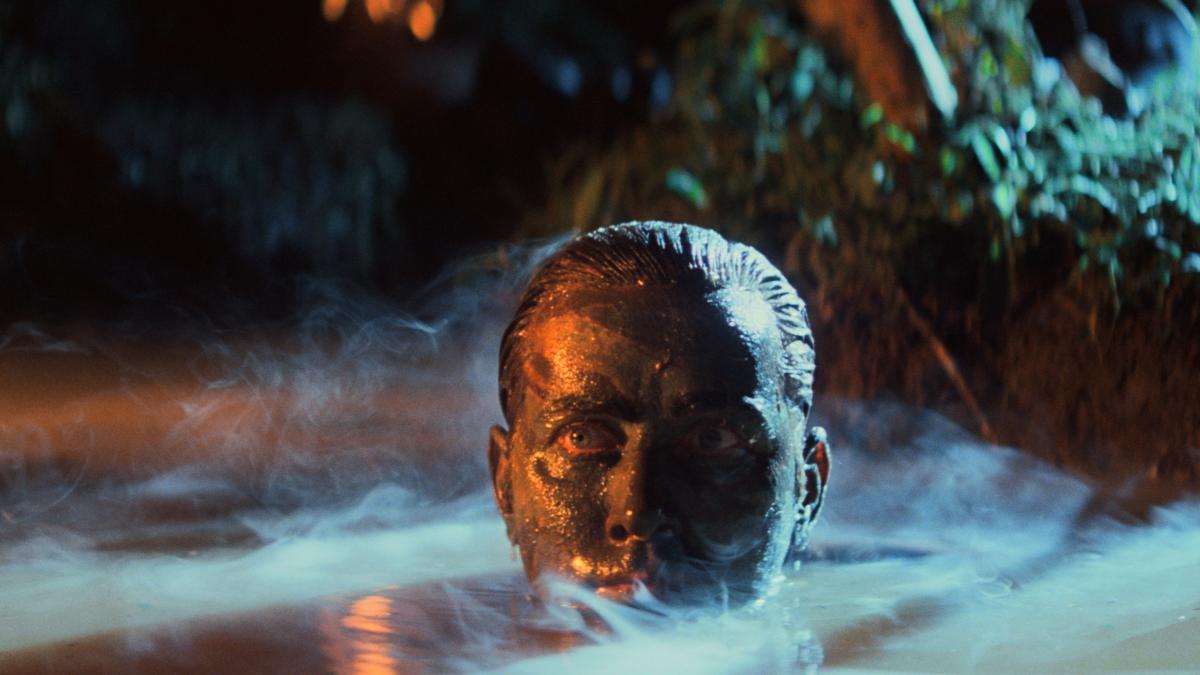
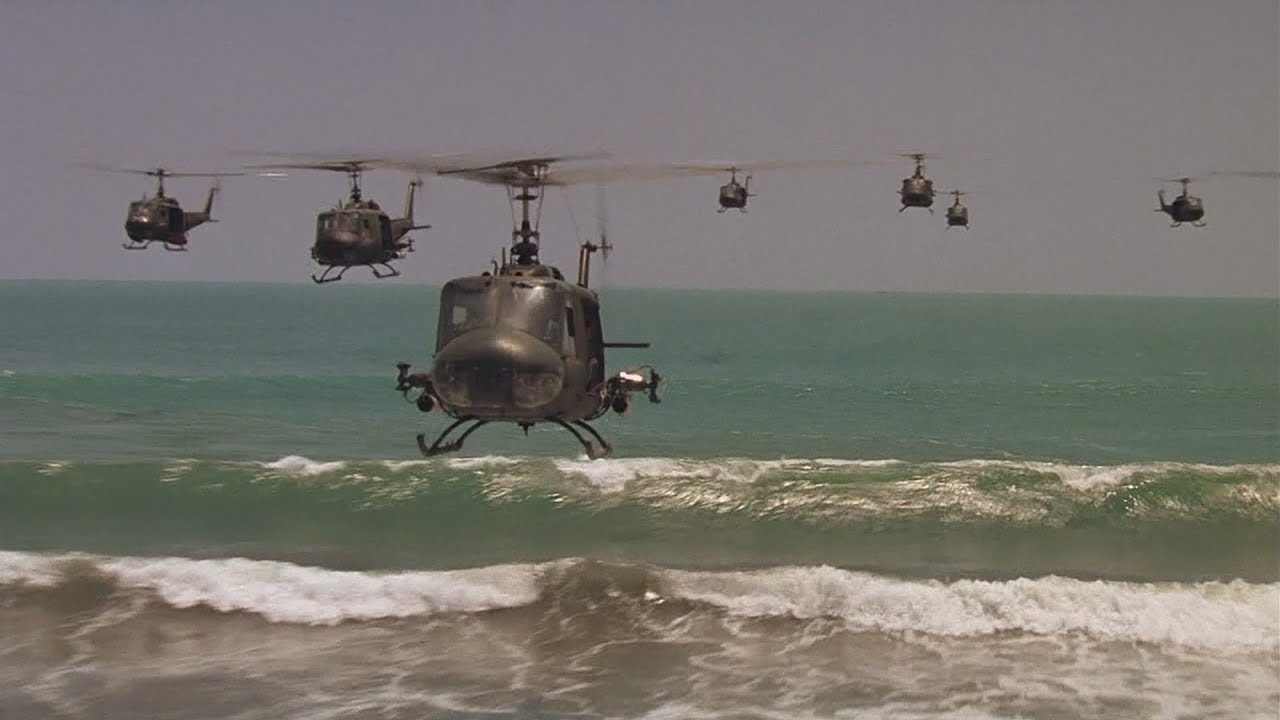
Saturday, March 16, 7:00 p.m. | Francis Ford Coppola, never shy about a recut, released this dramatic restructuring of one of the most iconic American movies of all time in 2001. Original 1979 prints of APOCALYPSE NOW were Eastmancolor, but the brief resurgence of IB Technicolor in the '90s allowed cinematographer Vittorio Storaro's expressive palette to reach its apex in REDUX, while also extending its runtime by 41 minutes. Coppola insisted that this would be the definitive version of the film. (The latest version, APOCALYPSE NOW FINAL CUT, was released in 2019.)
Awards & Nominations
Nominee - Best Picture, Best Actor in a Supporting Role (Robert Duvall), Best Director, Best Adapted Screenplay, Best Art Direction, Best Editing, Academy Awards
Winner - Best Cinematography, Best Sound, Academy Awards
TECHNICOLOR WEEKEND celebrates the longevity, beauty, and richness of the technicolor printing process. All presented on 35mm prints that were intended to last only through their initial runs, and have instead endured hundreds of projections, studio mergers, film exchange closures, and multiple private owners. These unlikely survivors offer us a view of what these films looked like before digital color correction and other modern restoration techniques, and are stunning examples of an incredibly complex industrial process that delighted millions. View full series.
ABOUT CHICAGO FILM SOCIETY
Chicago Film Society makes rare and classic films available to local audiences in their original forms—on 35mm and 16mm motion picture film. Our screenings spotlight the restoration efforts of archives, studios, and private collectors, as well as the experience of seeing films projected in a theater with an audience. Through an array of program notes, extended blog entries, and introductory remarks before each screening, the Chicago Film Society endeavors to bring new notions of the cultural and material history of cinema to the public. The Chicago Film Society is a 501(c)(3) non-profit organization established by Chicago projectionists in 2011.
The Film Center is ADA accessible. This presentation will be projected without open captions. The theater is hearing-loop equipped. For accessibility requests, please email filmcenter@saic.edu