


“A work of amazing grace—and a forgotten treasure.” – Sam Adams, Time Out
“A vital culture on the brink, at the moment when it was calcifying into the form it would hold for more than three decades to come. Rogosin’s films are to be treasured for imprinting vanished worlds in celluloid.” – Nick Pinkerton, The Village Voice
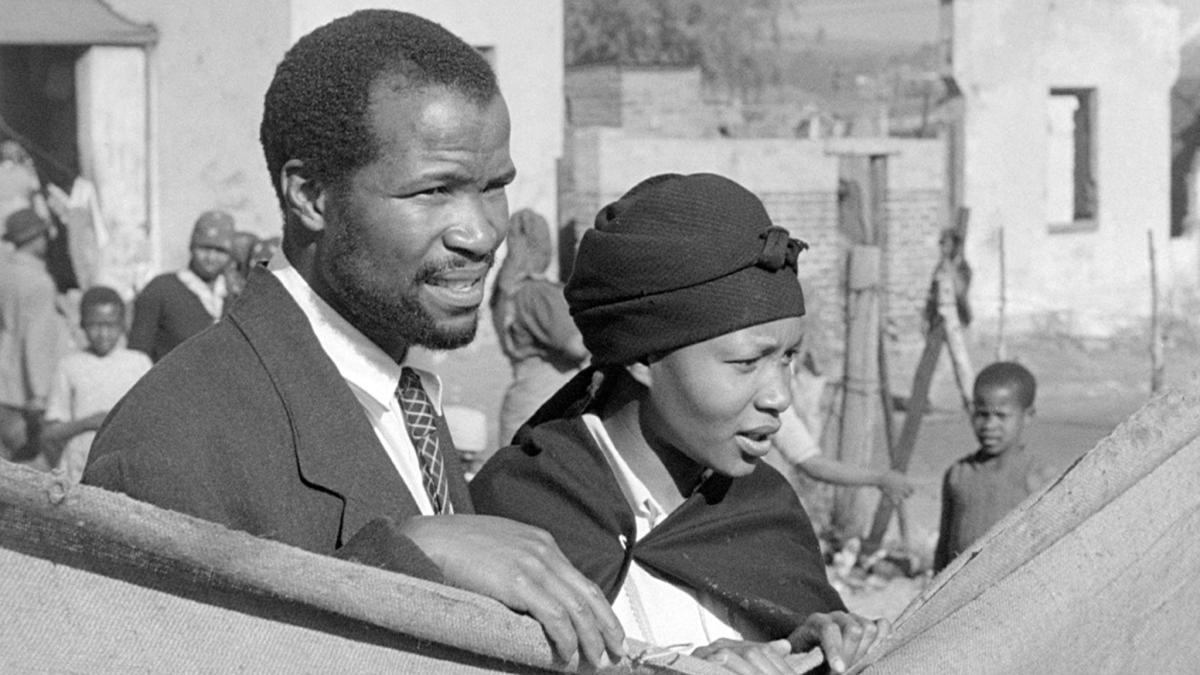
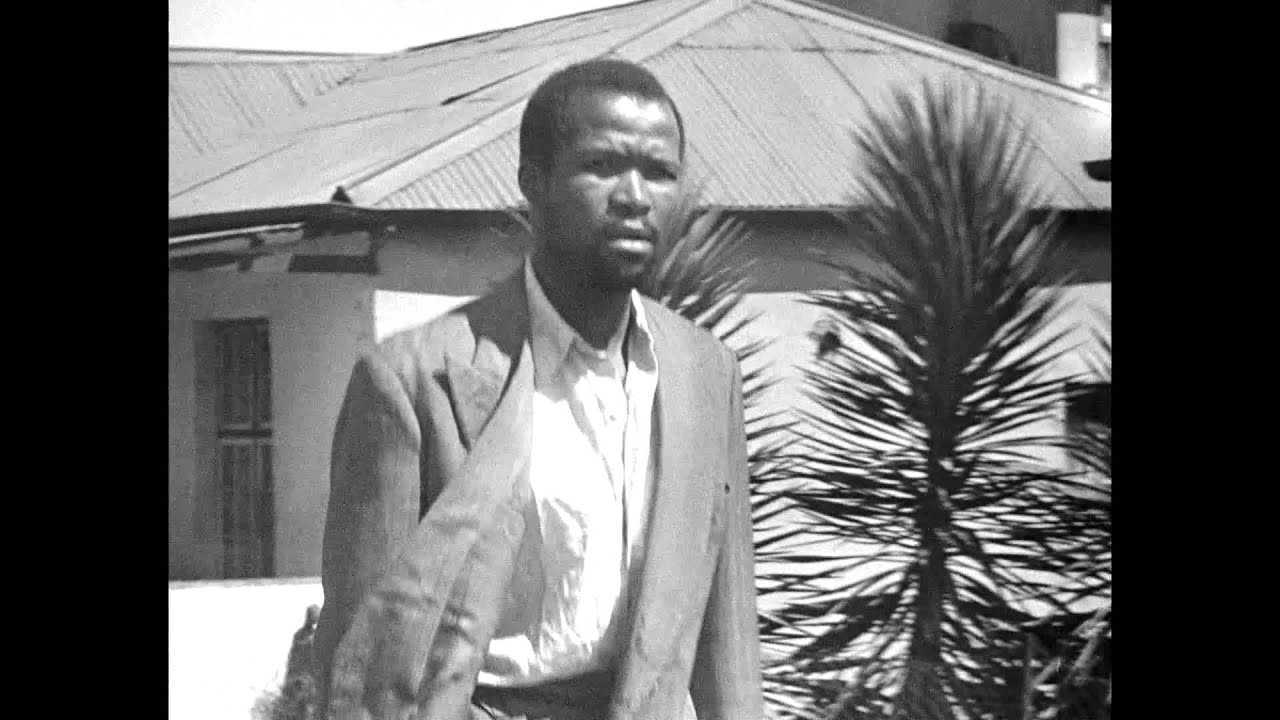
Wednesday, February 11, 6:00 p.m. & Sunday, February 15, 12:00 p.m. | Shot clandestinely as a "commercial travelogue" to evade apartheid authorities, Rogosin's docufiction follows Zachariah, a black South African who leaves rural KwaZulu-Natal for Johannesburg's gold mines. Through Zachariah's experiences—obtaining pass documents, enduring dehumanizing work conditions, struggling to maintain family unity—Rogosin exposes apartheid's systematic violence. The film combines documentary footage of township life with scripted scenes featuring non-professional actors playing versions of themselves. Its centerpiece is an intellectual debate in a shebeen (illegal bar) featuring journalists, writers, and a young Miriam Makeba performing. When authorities destroy Zachariah's family through forced removals and violence, his anguished cry becomes both personal tragedy and collective indictment. This hybrid film provided international audiences unprecedented witness to apartheid's daily brutalities.
African Cinema: From Independence to Now Lecture Series | January 28–May 17, 2026
This film series explores 65 years of African cinema, from anti-colonial resistance to digital reinvention. Through 14 films from across the continent, African filmmakers reimagine the medium as a tool for decolonization, self-representation, and artistic innovation, connecting the political with the poetic. Presented in collaboration with the School of the Art Institute of Chicago’s Art History, Theory, and Criticism department. Lecturer: Delinda Collier, Professor of Art History. Synopses by Delinda Collier. Select titles offered with encores; encores do not include lecture.
The Film Center is ADA accessible. This presentation will be projected without open captions. The theater is hearing-loop equipped. For accessibility requests, please email filmcenter@saic.edu