



"One of those movies that are sad without being depressing because of the generosity and warmth fhe filmmaker brings to the story. It owes an obvious debt to The Bicycle Thief and is infused with the durable spirit of Italian neo-realism. Its presence here did Sundance proud." – New York Times
"A 20-year veteran of the 30-year-old Angolan civil war finds assimilation into the chaotic life of the capital city of Luanda a challenge in this affecting drama. Gamboa shows an assured directorial hand by managing the multiple storylines with aplomb." – Variety
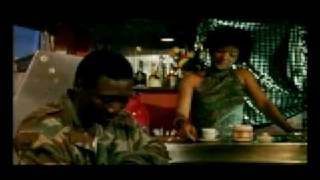
Wednesday, March 25, 6:00 p.m. | Vitório, a war veteran who lost his leg to a landmine, returns to Luanda after Angola's decades-long civil war searching for his family and employment. Despite being promised support as a war hero, he encounters bureaucratic indifference and must survive through informal street work. His young son Manu, traumatized into muteness by witnessing wartime violence, navigates the streets separately while searching for his father. Gamboa's neorealist approach captures post-conflict Luanda's contradictions: luxury high-rises alongside musseques (slums), military propaganda versus abandoned veterans, reconstruction rhetoric against lived poverty. The intersecting searches of father and son illuminate how war's wounds persist in peacetime, questioning what heroism means when society abandons those who sacrificed.
*This film has been sourced from educational and archival distributors, reflecting the long-standing material and political constraints that have shaped the preservation and circulation of African cinema; as a result, image quality may fall short of contemporary exhibition standards, a condition that itself speaks to the uneven histories of access, distribution, and valuation that filmmakers such as Ousmane Sembène have long critiqued.
African Cinema: From Independence to Now Lecture Series | January 28–May 17, 2026
This film series explores 65 years of African cinema, from anti-colonial resistance to digital reinvention. Through 14 films from across the continent, African filmmakers reimagine the medium as a tool for decolonization, self-representation, and artistic innovation, connecting the political with the poetic. Presented in collaboration with the School of the Art Institute of Chicago’s Art History, Theory, and Criticism department. Lecturer: Delinda Collier, Professor of Art History. Synopses by Delinda Collier. Select titles offered with encores; encores do not include lecture.
The Film Center is ADA accessible. This presentation will be projected without open captions. The theater is hearing-loop equipped. For accessibility requests, please email filmcenter@saic.edu