


“Announces its writer-director as an artist of significant formal imagination and daring, unafraid to put standard narrative legibility at risk in favor of intuitive sensory suggestion.” - Guy Lodge, Variety
“A visually striking, deeply compassionate, and memorable debut.” - Arjun Sajip, Indiewire
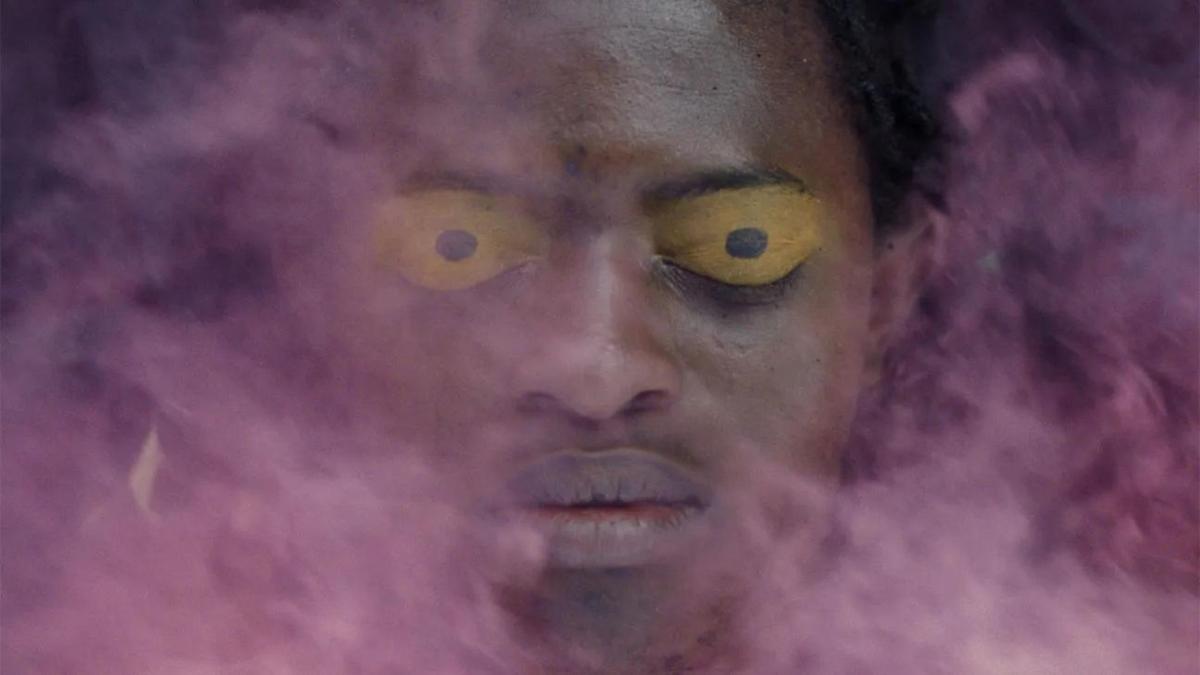
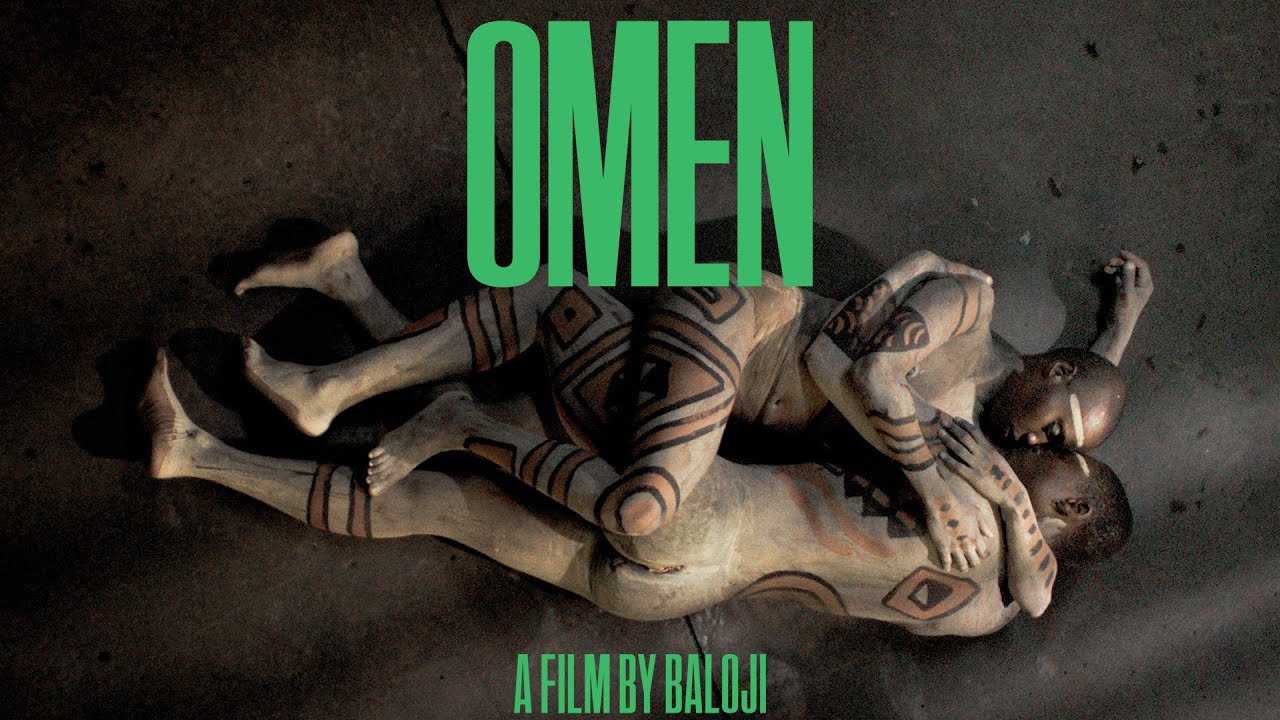
Wednesday, April 22, 6:00 p.m. & Sunday, April 26, 12:00 p.m. | Koffi returns from Belgium to Kinshasa with his pregnant white fiancée Alice to seek his family's blessing for marriage, but arrives branded as cursed—a "zabolo" (sorcerer) marked by childhood signs. Across four interconnected chapters, Baloji weaves together Koffi's homecoming, his sister's wedding preparations, his mother's past trauma, and his childhood ostracization. The film explores how accusations of witchcraft fracture families and communities, as traditional beliefs collide with modern aspirations. Through vibrant magical realist imagery—rainbow-colored mine tunnels, prophetic dreams, ritualistic ceremonies—Baloji examines contemporary African diasporic anxiety about belonging and authenticity. The film questions whether one can ever escape culturally inscribed fate, as Koffi's Western education cannot protect him from ancestral condemnation and social exclusion.
Awards & Nominations
Winner - Un Certain Regard - New Voice Prize, Cannes Film Festival
Nominee - Un Certain Regard Award, Cannes Film Festival
Nominee - Golden Camera, Cannes Film Festival
African Cinema: From Independence to Now Lecture Series | January 28–May 17, 2026
This film series explores 65 years of African cinema, from anti-colonial resistance to digital reinvention. Through 14 films from across the continent, African filmmakers reimagine the medium as a tool for decolonization, self-representation, and artistic innovation, connecting the political with the poetic. Presented in collaboration with the School of the Art Institute of Chicago’s Art History, Theory, and Criticism department. Lecturer: Delinda Collier, Professor of Art History. Synopses by Delinda Collier. Select titles offered with encores; encores do not include lecture.
The Film Center is ADA accessible. This presentation will be projected without open captions. The theater is hearing-loop equipped. For accessibility requests, please email filmcenter@saic.edu