



“Few films are so innately, integrally and consummately revolutionary. Once seen, never forgotten: as cinema and politics, SAMBIZANGA is unimpeachable. Don't miss it.” – Jon Dieringer, Screen Slate
“Sarah Maldoror had an impeccable radical background... The film, made while Angolans were still fighting for independence, functioned as a feedback loop, intensifying the ardency it captured on screen.” – Sukhdev Sandhu, 4 Columns
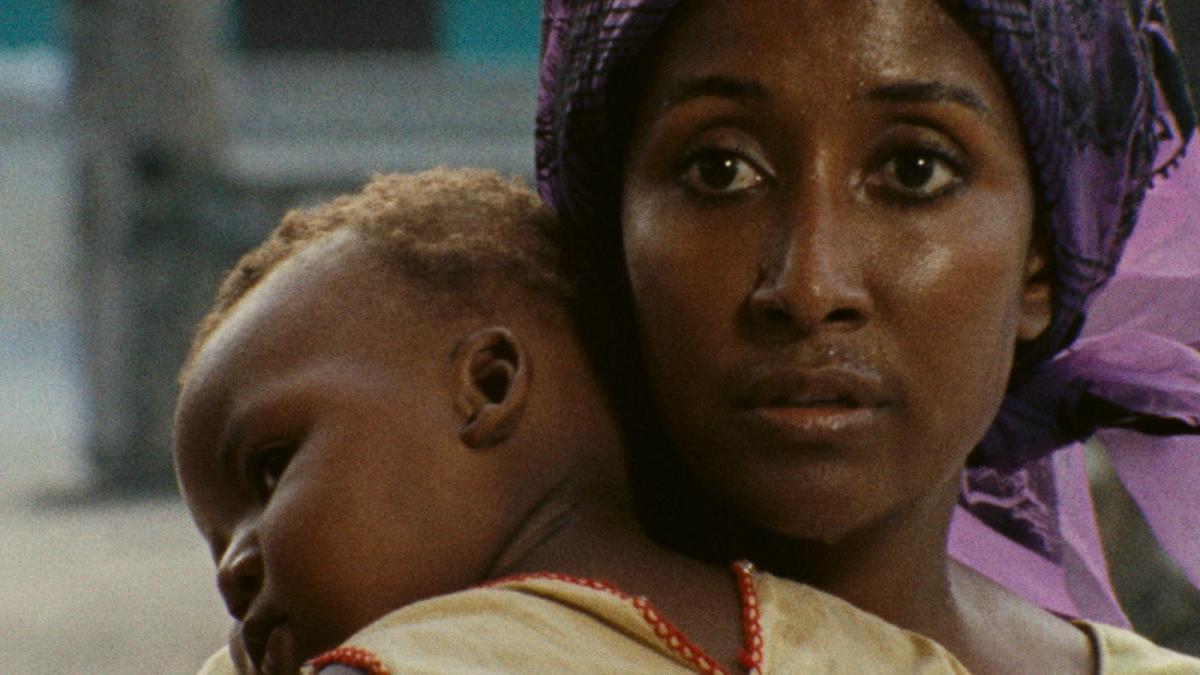
Wednesday, February 18, 6:00 p.m. & Sunday, February 22, 1:15 p.m. | Set in 1961 during Angola's liberation struggle, the film follows Maria as she searches for her husband Domingos, a construction worker arrested by Portuguese colonial police for revolutionary activities. Carrying their infant child, Maria traverses from Luanda to the Sambizanga prison, encountering bureaucratic denial and silent solidarity from other women whose men have disappeared. Maldoror, a Guadeloupean filmmaker trained in Moscow, crafts a feminist perspective on anti-colonial resistance, centering women's experiences of political violence. The film reveals how colonial oppression operates through arbitrary detention and torture while depicting growing political consciousness among ordinary Angolans. Maria's journey becomes an awakening to collective struggle, transforming personal grief into revolutionary commitment. This landmark of militant Third Cinema demonstrates women's central role in liberation movements.
Awards & Nominations
Winner - OCIC Award, Forum of New Cinema, Berlin Film Festival
Winner - Interfilm Award, Forum of New Cinema, Berlin Film Festival
African Cinema: From Independence to Now Lecture Series | January 28–May 17, 2026
This film series explores 65 years of African cinema, from anti-colonial resistance to digital reinvention. Through 14 films from across the continent, African filmmakers reimagine the medium as a tool for decolonization, self-representation, and artistic innovation, connecting the political with the poetic. Presented in collaboration with the School of the Art Institute of Chicago’s Art History, Theory, and Criticism department. Lecturer: Delinda Collier, Professor of Art History. Synopses by Delinda Collier. Select titles offered with encores; encores do not include lecture.
The Film Center is ADA accessible. This presentation will be projected without open captions. The theater is hearing-loop equipped. For accessibility requests, please email filmcenter@saic.edu