


“Lino’s insistence on credible characters and realistic plotting gives Macho Dancer an urgency, resonance and staying power that transcend the genre it launched.” - Tony Rayns, Sight & Sound
“Rampant corruption in the Filipino police and Army provides the political framework for Lino Brocka’s passionately analytical melodrama... Brocka builds scenes with incisive clarity, unfolding the intrepid maneuvers that make the difference between survival and disaster; the inevitable recourse to violence is tinged with a revolutionary defiance.” - Richard Brody, The New Yorker
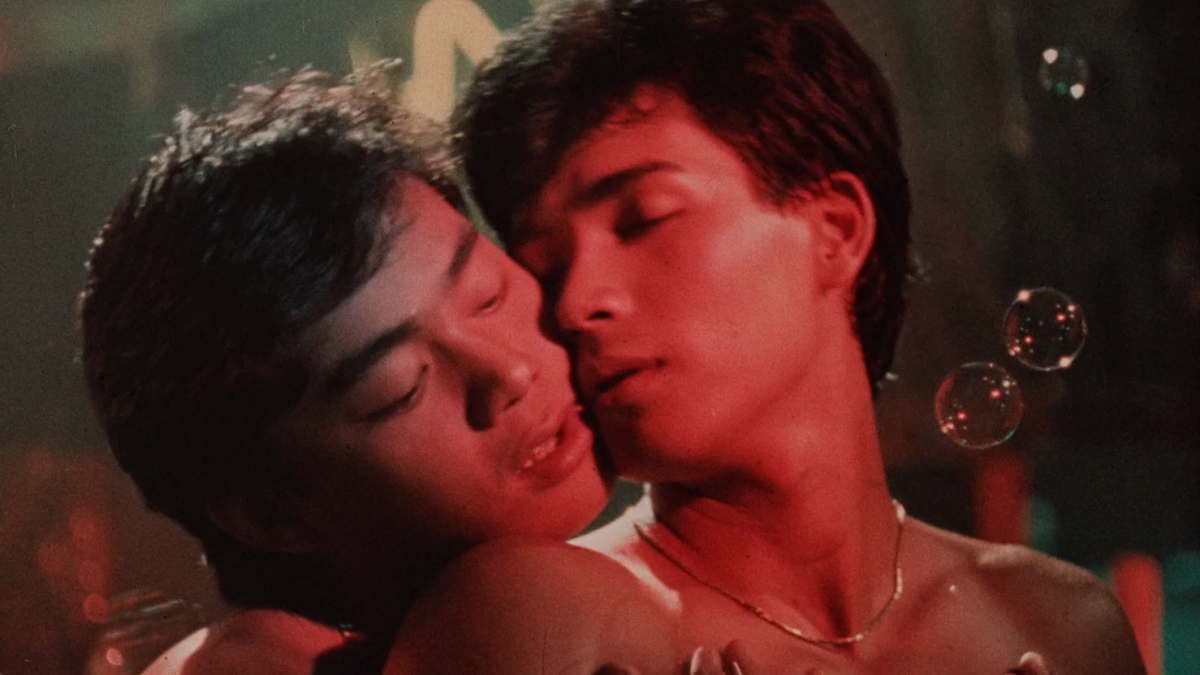
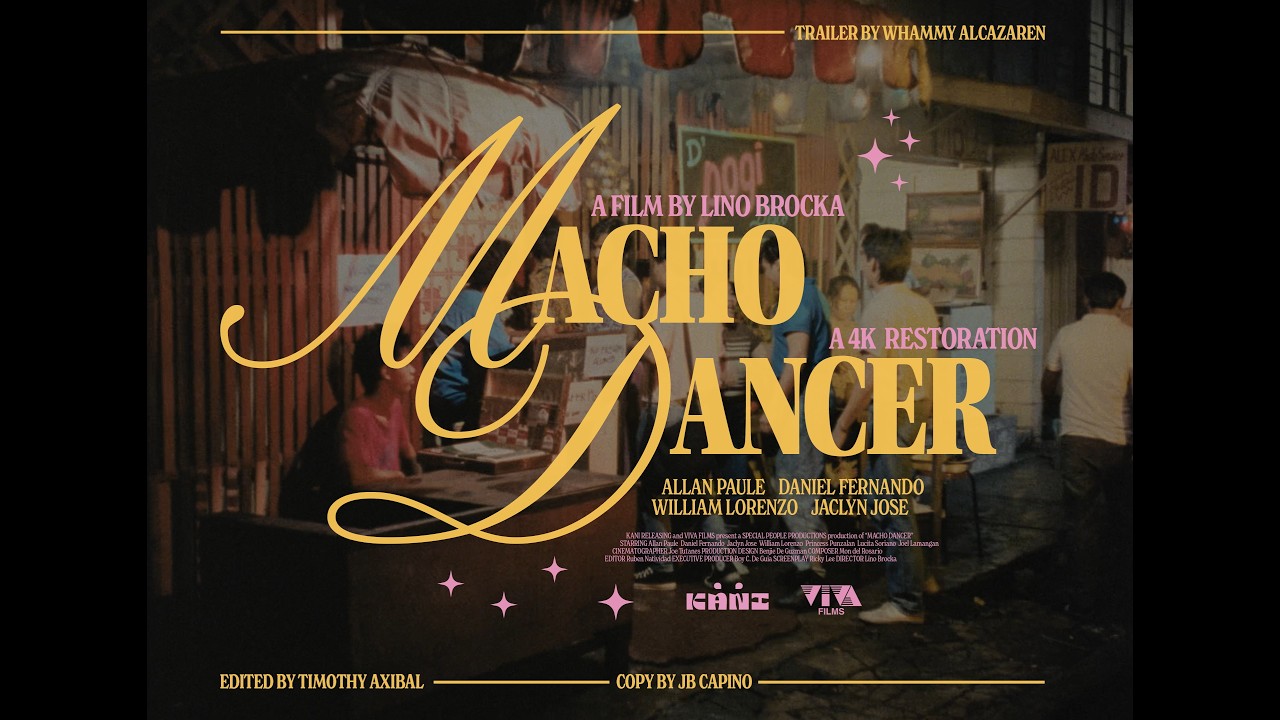
Upon losing a reliable American client, 18-year-old gigolo Pol (Allan Paule) leaves the provinces to try his luck in the soapy gay clubs of metro Manila. Pol learns the ropes alongside fellow stripper Noel (Daniel Fernando) and savvy prostitute Bambi (Jaclyn Jose), discovering an underbelly of protection rackets, human trafficking and rampant political corruption. One of Lino Brocka’s lasting successes, 1988’s MACHO DANCER combines a flair for socially conscious melodrama with pulp provocation, setting the template for what would become Viva Films’ erotic niche to this day. Underlying the film’s astute, cynical outlook on systemic, class-based exploitation in the Philippines is a neon-lit tale of self-discovery gyrating between queer desire and heteronormativity, sensuality and street-level grit, tenderness and violence. Heavily censored upon release and hugely successful overseas, MACHO DANCER is presented here in a new 4K restoration from Viva Film’s original film elements.
Awards & Nominations
1988 Toronto International Film Festival - Official Selection
1988 BFI London Film Festival - Official Selection
1990 International Film Festival Rotterdam - Official Selection
20th Century Queers | July 4–30, 2026
Contemporary queer cinema enjoys more visibility and mainstream success than ever before, but many of its roots lie in avant-garde and underground filmmaking. The films in this series trace that history, showcasing queer artists, in front of and behind the camera, who disrupted traditional cinematic form to suit their purposes, whether creating coded stories, exploring stylistic pleasures, or grossing out the normies.
The Film Center is ADA accessible. This presentation will be projected without open captions. The theater is hearing-loop equipped. For accessibility requests, please email filmcenter@saic.edu